

In recent years, Dubai has quietly emerged as one of the most dynamic cultural markets in the international art world. Long known for its role as a global financial and lifestyle hub, the city has developed a parallel reputation as a gathering place for collectors, curators, galleries and cultural institutions. What makes Dubai particularly distinctive is the convergence of global wealth, a rapidly expanding creative ecosystem and a strategic commitment to cultural investment.
For international collectors, the emirate increasingly offers something rare in the global art landscape: a market where emerging regional voices, established international artists and sophisticated private buyers interact within a single, rapidly evolving ecosystem.
A Market Shaped by Global Collectors
Dubai’s art scene has grown alongside the city’s transformation into a magnet for international wealth. The emirate’s population expansion has brought a significant influx of high-net-worth individuals, entrepreneurs and cultural patrons who view art collecting as both a cultural pursuit and a long-term asset class.
The diversity of the city’s residents plays a significant role in shaping its collecting culture. Dubai is home to more than 200 nationalities, creating an unusually international collector base whose tastes span European modernism, contemporary Middle Eastern art, Asian avant-garde movements and emerging global artists.
Recent demographic trends reinforce this dynamic. Dubai welcomed approximately 169,000 new residents in 2024, many of whom arrived as investors, entrepreneurs and professionals seeking a stable global base. This influx has contributed to a new generation of collectors with both regional cultural knowledge and global market awareness.
The presence of these buyers has gradually transformed Dubai from a secondary art market into a meaningful node within the global collecting network.
Art Fairs That Anchor the Regional Market
Central to Dubai’s cultural momentum is Art Dubai, widely recognised as the Middle East’s leading international art fair and one of the most important platforms for artists from the Global South.
Recent editions of the fair illustrate the scale of the city’s growing cultural influence. The event has hosted over 130 galleries representing more than 40 countries, bringing together artists, collectors, museum directors and cultural institutions from across the world.
Attendance figures also reflect the fair’s global reach. Art Dubai has attracted more than 30,000 visitors over its five-day programme, many of whom travel specifically to acquire works or establish relationships with regional galleries.
The economic footprint of the fair underscores its importance to the city. An independent economic impact study found that the 2023 edition generated approximately AED 143 million in direct economic impact, alongside more than 23,500 hotel nights booked by international visitors attending the event.
For collectors, fairs such as Art Dubai serve as a gateway into the wider regional market, offering exposure to artists from the Middle East, Africa, South Asia and Southeast Asia—regions whose artistic output has historically been underrepresented in Western institutions.
The Rise of Cultural Districts
Beyond the fair calendar, Dubai’s art ecosystem is increasingly anchored by dedicated cultural districts that support galleries, creative studios and exhibition spaces.
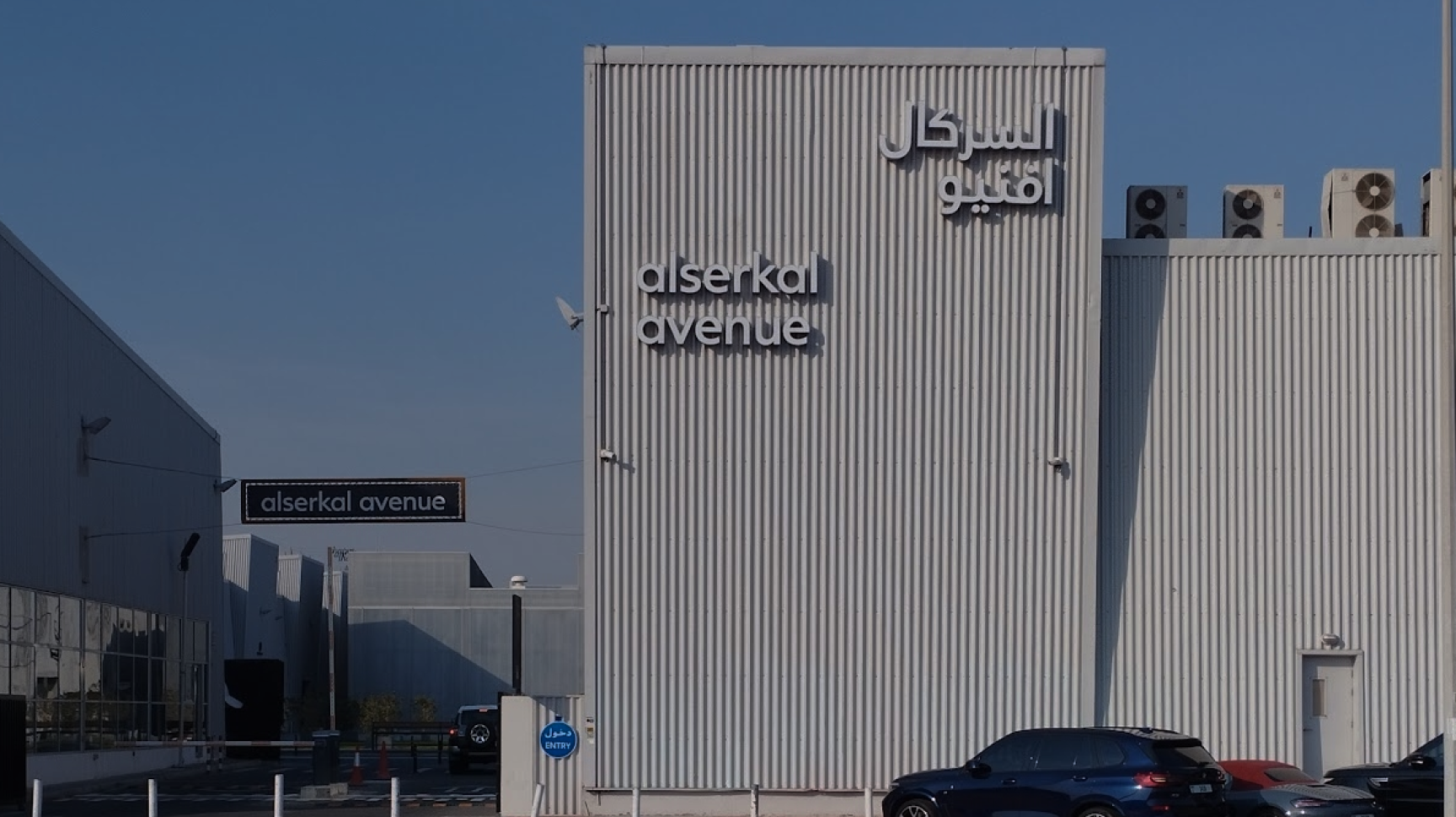
One of the most influential examples is Alserkal Avenue, a former industrial area that has evolved into the city’s leading contemporary arts district. Today, the district hosts more than 50 galleries and creative spaces, alongside artist studios, performance venues and design workshops.
These districts function as year-round meeting points for collectors and curators, offering programming that ranges from gallery openings and curated exhibitions to panel discussions and cultural festivals.
The presence of such infrastructure has helped transform Dubai’s art market from an event-driven environment into a continuously active cultural scene.
A New Generation of Collectors
One of the most interesting characteristics of Dubai’s art market is the age profile of its collectors. Unlike many traditional art capitals where collecting is dominated by older patrons, the UAE has developed a notably younger buyer demographic.
Research indicates that approximately 45 percent of art collectors in the UAE are under the age of 40, suggesting a generational shift toward earlier engagement with art collecting and cultural investment.
This younger collector base often approaches art with a broader perspective that combines aesthetic appreciation, cultural identity and financial diversification. Contemporary works, digital art formats and emerging regional artists have gained particular traction among these buyers.
The result is a market that balances tradition with experimentation, encouraging both institutional collectors and private buyers to explore new artistic narratives.
Private Collections and Institutional Influence
Alongside the rise of galleries and fairs, private collections have become an increasingly influential force within Dubai’s cultural landscape.
Many high-net-worth residents maintain significant personal collections that include contemporary Middle Eastern artists as well as internationally recognised names. Some collectors have begun transforming private holdings into public or semi-public cultural initiatives, supporting exhibitions, educational programmes and artist residencies.
Institutional development has also played a role in strengthening the region’s cultural infrastructure. Museums such as Louvre Abu Dhabi have attracted global attention while contributing to the broader cultural ecosystem of the UAE. The museum welcomed more than one million visitors in its first year of operation, demonstrating the region’s growing appetite for world-class cultural experiences.
The interaction between institutional initiatives, private collections and commercial galleries has created a multi-layered cultural market capable of supporting artists, dealers and collectors alike.
Art as a Cultural Asset
For many collectors, acquiring art in Dubai carries meaning that extends beyond financial value. The city occupies a unique cultural crossroads between East and West, allowing collectors to engage with artistic traditions that reflect diverse histories and contemporary narratives.
Works by Middle Eastern artists, in particular, have gained increasing recognition in international museums and auctions. As collectors develop a deeper understanding of the region’s artistic heritage, many are choosing to build collections that document cultural transformation across the Middle East.
Within this context, Dubai functions as both marketplace and cultural bridge, connecting regional artists with global audiences.
The Future of Collecting in Dubai
Dubai’s art ecosystem remains relatively young compared with traditional art capitals such as London, New York or Paris. Yet its growth trajectory suggests a market with significant long-term potential.
Government investment in creative industries, expanding gallery districts and the continued arrival of international collectors all point toward a sustained cultural expansion. The UAE has also committed billions of dollars to cultural infrastructure and creative development, reinforcing its ambition to become a global centre for arts and culture.
For collectors, the city offers a distinctive proposition: a market where emerging artistic voices, global investment capital and cultural ambition intersect in real time.
Dubai’s evolution into a major art hub illustrates how cultural ecosystems can develop rapidly when vision, infrastructure and global connectivity align. For the international collector, the emirate increasingly represents an environment where discovery and cultural engagement coexist within one of the world’s most dynamic cities.